
For more than 40 years, contractors, building owners, facility managers, and architects have trusted Inland Coatings for roofing maintenance and repair. And equipment manufacturers and repair technicians have counted on our coatings to enhance protection and simplify maintenance.
With unmatched expertise and a commitment to quality, Inland Coatings is the industry’s go-to source for coating and roof restoration solutions. Contact us for direct shipping to you throughout North America or for professional coating distributors and contractors in your area.
Why Choose Inland?
The innovation leader.
The Inland Coatings Advantage
We help you meet every challenge. Extreme weather. Harsh heat. UV rays. Water swelling. Ponding. Take the worry away with our fluid-applied rubber roof restoration systems and equipment coatings. They have excellent permeability and elongation to maximize protection of roofs, recreational vehicles (RVs), industrial equipment and more for years to come.
In addition to the superior waterproofing performance and durability, architects and contractors also appreciate the wide range of SEBS* coating color options. Plus, our solutions coat just about every type of roof: Metal, Hypalon, EPDM, TPO, Modified Bitumen, Flat Roof, BUR (Built-Up Roof), and Spray Foam.
*SEBS stands for Styrene Ethylene Butylene Styrene
Solutions for Your Exact Needs
Commercial Roof Coatings
Commercial building owners, contractors, architects and consultants count on Inland Coatings for the exact solution needed for every commercial building application. Options include our primer-free, two-pass SEBS system and our single-component Silicone coating.
Recreational Vehicle Coatings

Rock chips, sand and salt can deteriorate the undercarriage of an RV. Apply our coating for extra protection and extended life. It’s an excellent solution for a camper, fifth wheel or travel trailer, too. Inland Coatings also offers solutions to repair and restore vehicle roofs to resist damage from UV light and corrosion.
Original Equipment Manufacturers
Protect customer investments — and your reputation for quality — with industrial coatings designed specifically for automotive, heavy equipment and agricultural equipment. Inland Coatings solutions provide excellent resistance to damaging UV light, corrosion, rock chips and more. Our coatings also deliver thermal stability, resist cracking and peeling, and provide long-lasting protection.
Farming Operations & Agribusiness Owners

Extend the life of trailers and other equipment by protecting the undercarriage from rock chips and corrosion. Our protective coatings are also ideal for grain bins, silos, metal-roof buildings and more to add a barrier against UV rays/corrosion and outdoor elements.
Industrial Plants & Pipeline Operations

Keep critical fluids flowing by protecting pipes from corrosion and damage with our industrial-quality rubberized coatings. Our low-maintenance coatings resist cracking, flaking and peeling, saving time and money over the long term.
Commercial Skylight Coatings
Skylights can be a beautiful, dramatic way to bring natural light into a space, but it’s important to remember that they’re essentially big holes in the roof. They must be sealed tightly and completely to prevent leaks. Inland Skylight Coatings are specially designed to seal and protect skylights. They not only reduce the risk of leaks and weather damage, but they also help protect the skylights themselves from corrosion so you can enjoy the light — without the leaks — for years to come.
Complete Line of Protective Coatings
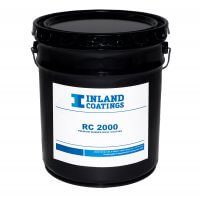
Rubber Roof Coatings
For most commercial roof applications, our SEBS rubber coatings are the ideal choice. They have outstanding adhesion on metal, concrete, urethane foam, modified bitumen and non-plasticized single-ply membranes, plus they’re easy to clean and come in a variety of standard and custom colors.
Silicone Roof Coatings
For roofs in areas with extreme temperature ranges and high UV exposure, Silicone coatings are a great choice. They provide lasting strength and performance, and can be applied over a wide range of surface types. Not as easy to clean as SEBS coatings, they may not be best for roofs where aesthetics matter.
Skylight Coatings
Skylights can be a beautiful, dramatic way to bring natural light into a space, but it’s important to remember that they’re essentially big holes in the roof. They must be sealed tightly and completely to prevent leaks. Inland Skylight Coatings are specially designed to seal and protect skylights.
Industrial Coatings
For industrial equipment, Inland coatings provide thermal stability and resistance to cracking and peeling to deliver long-lasting protection. Our XRC rubber coatings line is designed specifically for industrial applications, proving maximum equipment protection with a refined finish.
Agricultural Coatings
Extend the life of bins, silos, trailers, equipment and roofs with Inland agricultural coatings. They protect against severe weather, extreme temperatures, corrosion and more. Use them to seal roofs, welds and seams, protect chassis and piping from road salt and gravel, and to protect inner frames from rust and corrosion.
RV Coatings
Add a layer of protection to the undercarriage of your recreational vehicle, camper, fifth wheel or trailer with Inland products. Our coatings provide a barrier against rock chips while resisting corrosion from harsh sand and salt. Seal or repair a roof. Protect an underbody. Minimize road noise. Whatever you need, Inland has the RV coating for you.
News & Updates
How Long Does a Rubber Roof Last?
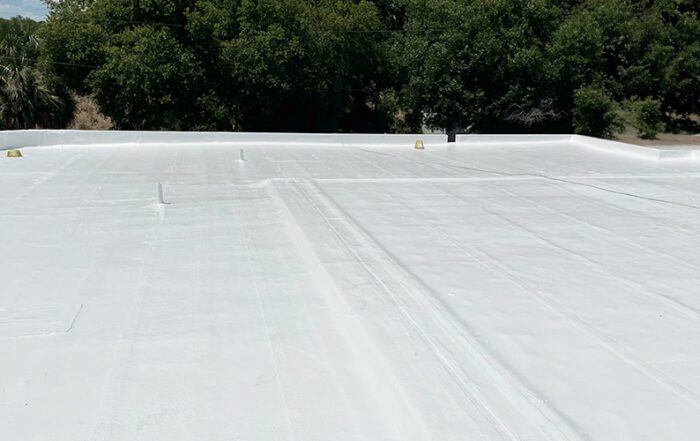
Coatings can breathe life back into all types of flat roofs, sealing cracks and voids that are prone to penetration. [...]
Can You Coat a Rubber Roof?
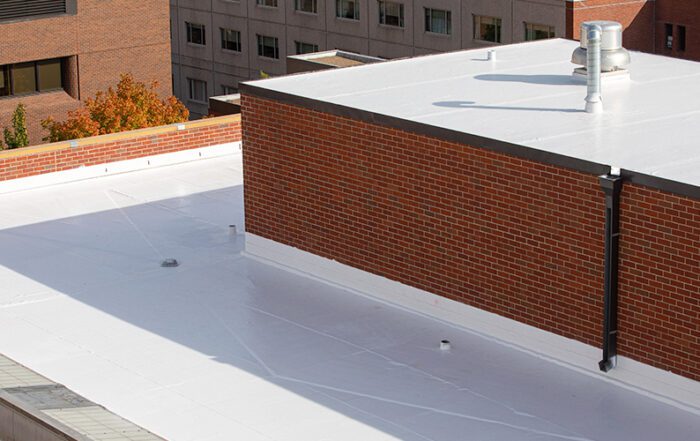
Can you coat a rubber roof? The answer is a resounding yes! You can absolutely coat a rubber roof. [...]
How to Install Rubber Roofing
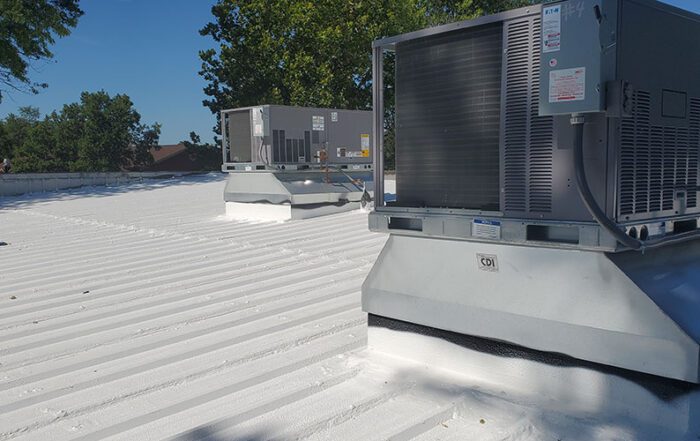
Prepare, repair and apply. Restore a flat roof using these three main steps and the detailed instructions within this comprehensive how-to guide.
Featured Project: Turning Rust into Trust

Rust Is No Match for Inland Coatings & the City of Richmond, BC
The roof for this metal building owned by The City of Richmond, British Columbia, was failing badly. It was heavily rusted and had leaks, pinholes, loose seams and unsecured fasteners. A complete tear-off would be disruptive, require disposal, and was beyond their budget. But since the roof was structurally sound, Inland Coatings was able to team with a local contractor to coat the roof at substantial savings to the City. The result was a refreshed and protected building backed by Inland’s warranty and more than 40 years of trusted expertise.
Products Used: RC-2000, RC-2250
